A roulette street bet covers one of 12 three-number groups on the layout: 1-2-3, 4-5-6, 7-8-9 and so on through 34-35-36. Easy. It pays 11:1, so a $10 wager returns $110 profit when winning. Across this assessment, I’ll weigh the wager against even-money and split options using expected loss, hit rate and bankroll practicality for Australian adults. No worries: understanding the maths is more useful than chasing a lucky spin.
What the Street Wager Actually Does

The roulette street bet explained in practical terms is simple: choose a street and place your chips on any of its three numbers. Zero sits outside every street, while a regular number belongs to exactly one. A winning $10 bet returns $120 including the original stake; a losing wager gives up $10. The payout partly compensates for the 24 losing numbers out of 37 on a single-zero wheel.
That gives the bet a 3-in-37 winning chance and a 34-in-37 losing chance on a single-zero wheel. On a double-zero layout, there are 38 pockets and 12 streets, so the chance becomes 3-in-38. The house edge remains 2.7% on single-zero and 5.26% on double-zero roulette. A run of losses changes the bankroll, not the odds. Reckon a street is useful when you specifically want three-number exposure, not because it creates an edge.
Where It Fits at the Roulette Table
Compared with a split on two numbers, a street costs the same $10 but reduces the hit rate from 5.41% to 8.11% on single-zero roulette while increasing the profit from $50 to $110. Compared with a six-line bet, it covers three rather than six numbers and pays 5:1 instead. So it occupies a genuine middle ground: broader coverage than a split, but stronger per-number return than covering six lines.
The format also suits casino-floor observation better than complex systems. You can repeat a $5 or $10 unit across streets, but repeated wagers do not alter expected value. For session control, I would define a total loss cap and use flat stakes. On a $300 bankroll, three $10 streets leave $30 exposed immediately; across twelve streets, the full $120 layout commitment arrives first. That requires more than simply having $30 available.
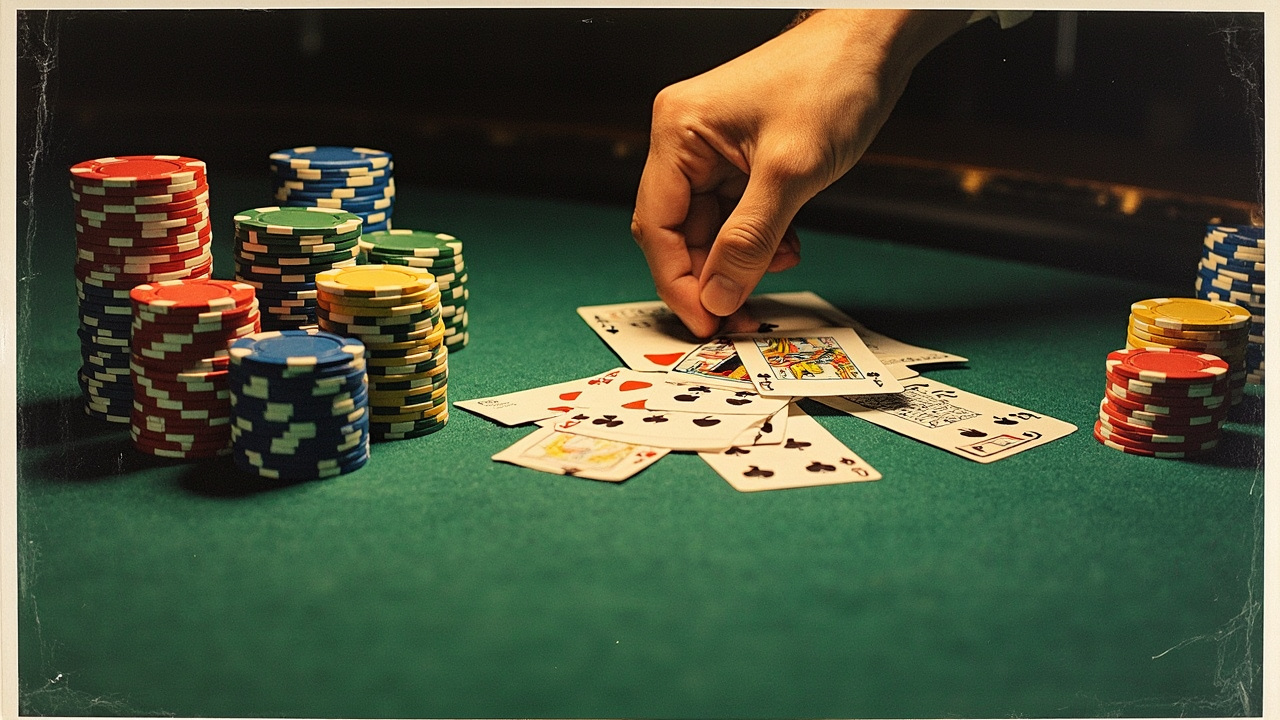
House rules matter. Standard roulette pays 11:1, and any departure should be checked on the table sign before staking. A comparison reference can be The Cincinnati Kid (1965), the classic film centred on high-stakes five-card stud poker: its poker hands require evaluating changing combinations, while a roulette street can be assessed immediately. Simplicity is convenient; it is not evidence of value.
Payments, Platform Features and Practical Use
For a casino-brand comparison, mobile usability, banking clarity and transparent limits deserve more weight than decorative imagery. A polished table should display the 12 streets, state whether the wheel is single- or double-zero, and keep bet controls usable on a small screen. Before depositing, Australian players should check the operator’s terms and confirm that the service is lawful for them; offshore availability does not mean Australian licensing or local regulation. Never play to evade verification or geographic restrictions.
Payment naming should also be specific rather than vague. At spinsamuraibonus.net, players can assess the roulette interface, stated payment methods, currency support and bonus conditions before selecting any game. No invented claim is needed: the relevant question is whether the cashier information is clear, whether limits are visible, and whether identity checks are completed normally. Some platforms offer AUD alongside international options, while others may offer different currencies; casino accounts must be checked directly.
Support should provide table-rule and payment information in writing, especially where a roulette variation changes the wheel format. Mobile play helps if the betting surface remains legible and confirmation screens clearly show the covered numbers. Loyalty programmes can reward continued play, but rewards do not remove the wheel’s house edge or turn a losing sequence into a guaranteed recovery. On both land-based and online interfaces, the street itself is easy to place; disciplined limits do the heavier lifting.
Key Roulette Street Terms
- Street: One of 12 groups containing three consecutive numbers.
- 11:1 payout: Eleven units of profit per unit staked, excluding the returned stake.
- Single zero: A 37-pocket wheel numbered 0-36.
- Double zero: A 38-pocket wheel numbered 0-36 plus 00.
- House edge: The casino’s mathematical advantage over a particular wager.
- Expected value: Average result per wager after applying probabilities and payouts.
For Australian players, the roulette street bet explained verdict is straightforward: use it when three-number coverage suits your session, choose a limit you can afford, and favour standard 11:1 single-zero rules where available. It is more substantial than a split but less diversified than a six-line wager. That is a fair go at middle-ground roulette – not a shortcut around the maths.